Debunking common misconceptions about luck in gambling
The Nature of Luck in Gambling
Luck is often seen as a mysterious force that can dramatically influence outcomes in gambling. Many players believe that being « lucky » can turn a losing streak into a winning one. However, this notion overlooks the mathematical and probabilistic elements inherent in games of chance. For instance, in games like poker and blackjack, skill and strategy play significant roles, which can overshadow the impact of luck over time. If you’re looking for something enjoyable, you might even play Pinco as a fun diversion. Understanding this distinction is crucial for gamblers who want to approach games with a rational mindset.
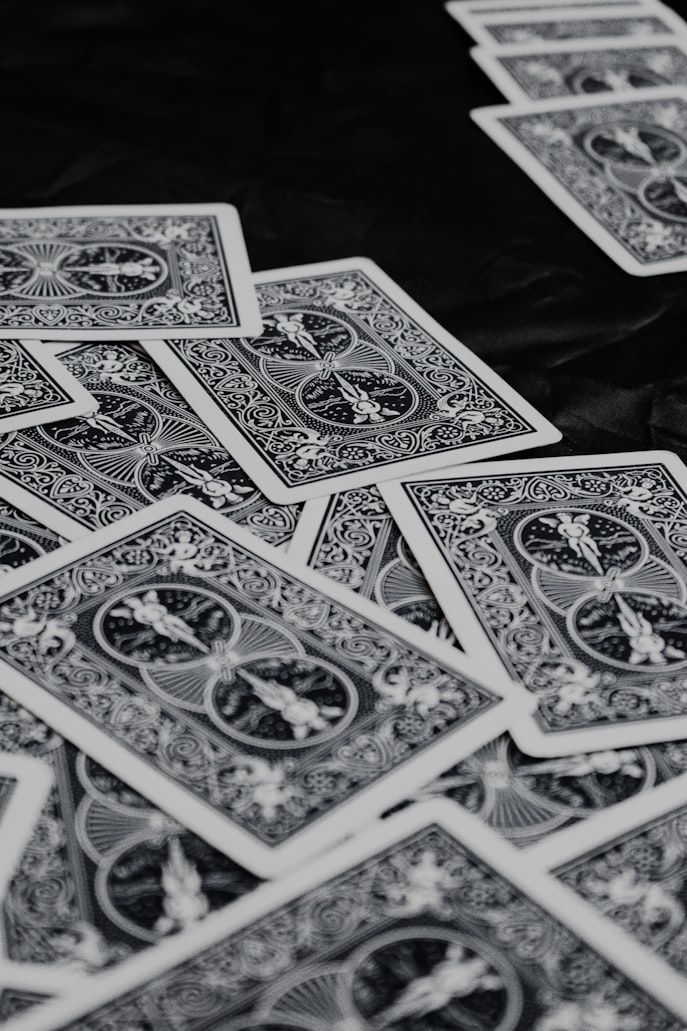
The belief that luck can be manipulated is another common misconception. Players often think they can find ways to increase their luck, such as using specific rituals or charms. In reality, outcomes in gambling are governed by random number generators in digital games and fixed odds in physical settings. This randomness means that no ritual or superstitious practice can influence the outcome. Gamblers need to accept that luck is, to a large extent, out of their control.
Additionally, the misconception that luck is evenly distributed is widespread. Many players believe that a losing streak must eventually be followed by a winning streak, known as the « gambler’s fallacy. » This erroneous logic suggests that past outcomes influence future results in independent events. In truth, each game is a separate event, and the probabilities remain constant regardless of previous outcomes. Recognizing this can help players make more informed decisions based on the actual odds rather than misconceptions about luck.
The Role of Skill and Strategy
While luck plays a role in gambling, skill and strategy are often the more significant factors in determining success. Games like poker require a deep understanding of probability, psychology, and strategic betting. Players who invest time in learning these skills can significantly improve their chances of winning, thereby reducing their reliance on luck. This distinction illustrates that while luck may provide temporary wins, skill and strategy are what lead to sustainable success in the long term.
For example, in blackjack, players who know basic strategy can lower the house edge and increase their chances of winning. Understanding when to hit, stand, or double down based on the dealer’s visible card can make a substantial difference. This demonstrates that informed decision-making can mitigate the role of luck and enhance a player’s experience. Consequently, aspiring gamblers should focus on honing their skills rather than waiting for luck to swing in their favor.
Additionally, in games such as sports betting, knowledge about the teams, players, and other variables significantly impacts success. A bettor who comprehensively researches and understands these factors will make more informed wagers than someone who relies solely on gut feelings or luck. This highlights the importance of developing skills that can contribute to better outcomes in gambling, effectively debunking the myth that luck is the only element that matters.
The Impact of Gambling Environment
Another misconception involves the belief that certain environments or atmospheres can enhance luck. Many players feel that a particular casino or location will bring them better fortune. While the ambiance may enhance the experience, it does not alter the odds of the games. Games are designed with specific probabilities, and these do not change based on the environment. Acknowledging this can help players focus on the actual mechanics of the games instead of becoming distracted by external factors.
The notion that crowded or high-energy environments increase one’s luck is also a myth. Many gamblers assume that being surrounded by other players, particularly those winning, can transfer positive energy or luck. However, this idea has no basis in reality, as each game operates independently of others. Players should concentrate on their strategies and decision-making rather than attributing their fortunes to the surrounding energy.
Additionally, the idea that certain times of day or days of the week are luckier for gambling is another misconception. While some may feel that playing during peak hours leads to better outcomes, the odds remain the same regardless of when one plays. Understanding that luck does not adhere to time or space can lead to a more realistic and enjoyable gambling experience, minimizing disappointment and fostering responsible gaming habits.
Responsible Gaming and Managing Expectations
Understanding the role of luck versus skill in gambling is essential for responsible gaming. Gamblers should approach games with realistic expectations about their chances of winning. By recognizing that luck can be unpredictable, players can avoid the pitfalls of chasing losses or engaging in reckless behaviors. Responsible gaming encourages players to set limits on their time and money spent, ensuring that gambling remains an entertaining pastime rather than a source of stress or financial strain.
Furthermore, managing expectations can prevent the emotional rollercoaster often associated with gambling. Players who believe that luck will always be on their side may experience extreme highs and lows, leading to a detrimental relationship with gambling. By understanding that luck fluctuates and that the outcome is not guaranteed, players can cultivate a healthier mindset and enjoy the experience for what it is—a form of entertainment, not a surefire way to make money.
Moreover, engaging in responsible gaming practices can mitigate the adverse effects of gambling addiction. Players who acknowledge the role of luck and maintain a balanced perspective are less likely to fall into destructive patterns. They can enjoy the thrill of gambling while safeguarding their mental and financial well-being, demonstrating that knowledge and awareness are key to a healthier gambling experience.

Blend Swap: A Resource for Creative Exploration
Blend Swap serves as a valuable platform for those looking to enhance their creativity and skills in 3D design. Although it may seem unrelated to gambling, the principles of skill development and the importance of understanding underlying mechanics apply in both arenas. Just as gamblers can benefit from honing their skills, 3D artists can explore a vast collection of assets and blends to improve their craft. This resource fosters a community of creators who can share knowledge and support one another in their artistic journeys.
The platform encourages collaboration and feedback, which parallels the strategic learning necessary in gambling. By exploring various assets, users can learn from others and experiment with new techniques, much like players who study strategies to improve their game. This synergy between learning and application is what makes Blend Swap an essential tool for those looking to grow in their respective fields, highlighting the common theme of continuous improvement across different disciplines.
In conclusion, just as understanding the nuances of skill and luck is crucial in gambling, the same principle applies to creative endeavors. Blend Swap provides a community-oriented space for users to enhance their skills, showcasing the value of collaboration and shared knowledge. This aligns perfectly with the message of responsible gaming, where skill, strategy, and awareness can lead to more enjoyable and fulfilling experiences, whether at the gambling table or within the realm of 3D artistry.